How to Import Used Cars from China: A Complete Dealer Guide
Step-by-step guide to sourcing, inspecting, and importing used vehicles from China for overseas dealers and importers.
- 1.Why Source Used Cars From China
- 2.Step 1: Find a Reliable Exporter
- 3.Step 2: Select Your Vehicles
- 4.Step 3: Inspection & Documentation
- 5.Step 4: Shipping Options
- 6.Step 5: Customs Clearance
- 7.Common Mistakes to Avoid
Why Source Used Cars From China
China is the world's largest automotive market, producing over 30 million vehicles annually. This creates a large, diverse supply of used vehicles at competitive wholesale prices. For overseas dealers, China offers brands ranging from Toyota and Honda to BYD, Haval, and Chery — all available with export documentation and competitive FOB pricing from major ports including Shanghai, Tianjin, and Guangzhou.
Step 1: Find a Reliable Exporter
Work with a licensed export company registered with MOFCOM (China's Ministry of Commerce). Verify their export track record, check client references in your market, and confirm they can provide complete export documentation including Certificate of Origin. Avoid brokers who cannot show you real-time inventory.
Step 2: Select Your Vehicles
Request a current stock list with photos, mileage, condition reports, and FOB pricing. For used vehicles, always request a 200-point inspection report. Consider the demand in your market — popular models in Africa include Toyota Corolla, Haval H6, and BYD Atto 3. In the Middle East, EVs and premium SUVs are in high demand.
Step 3: Inspection & Documentation
Before payment, ensure a mechanical inspection is completed by a qualified technician. For larger orders, consider engaging SGS or Bureau Veritas for third-party certification. Required export documents include: Commercial Invoice, Packing List, Bill of Lading, Certificate of Origin, and CoC (Certificate of Conformity) where required by your country's import regulations.
Step 4: Shipping Options
RoRo (Roll-on Roll-off) is typically cheaper for volume shipments. Container shipping (20ft or 40ft) offers better protection for individual vehicles or small quantities. Most Chinese exporters ship from Shanghai, Guangzhou, or Tianjin. Transit times range from 15 days (Central Asia overland) to 35 days (West Africa by sea).
Step 5: Customs Clearance
At destination, you will need the Bill of Lading, Commercial Invoice, Certificate of Origin, and any locally required import permits. Import duties vary significantly by country — confirm current rates with your local customs authority before placing an order. Work with a local clearing agent familiar with Chinese vehicle imports.
Common Mistakes to Avoid
1) Paying without an inspection report. 2) Choosing a vehicle model with poor spare parts availability in your market. 3) Not confirming CIF port costs before ordering. 4) Skipping the Certificate of Origin — this is required for duty calculations in most countries. 5) Not requesting real vehicle photos before payment.
Recommended Vehicles
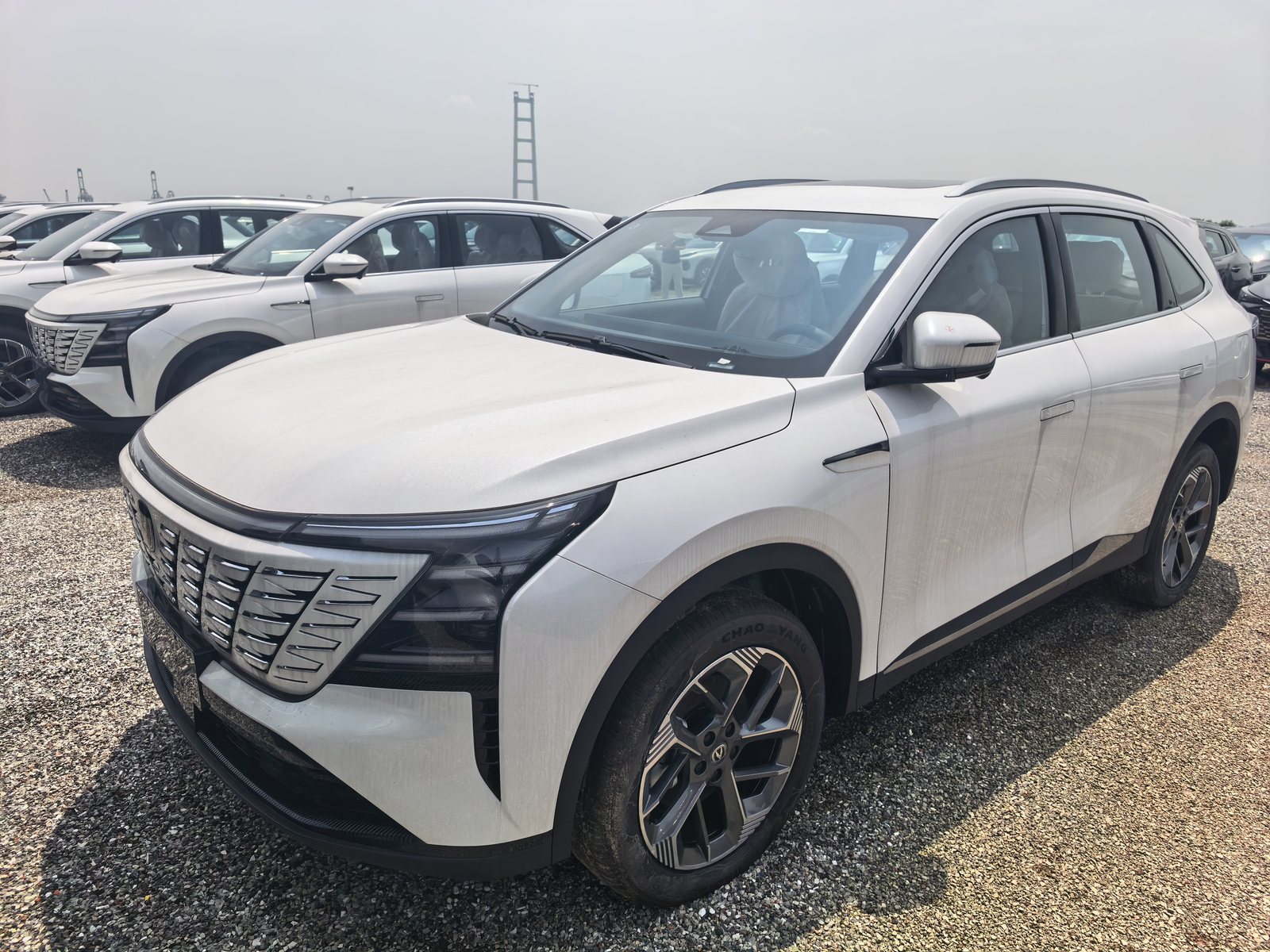
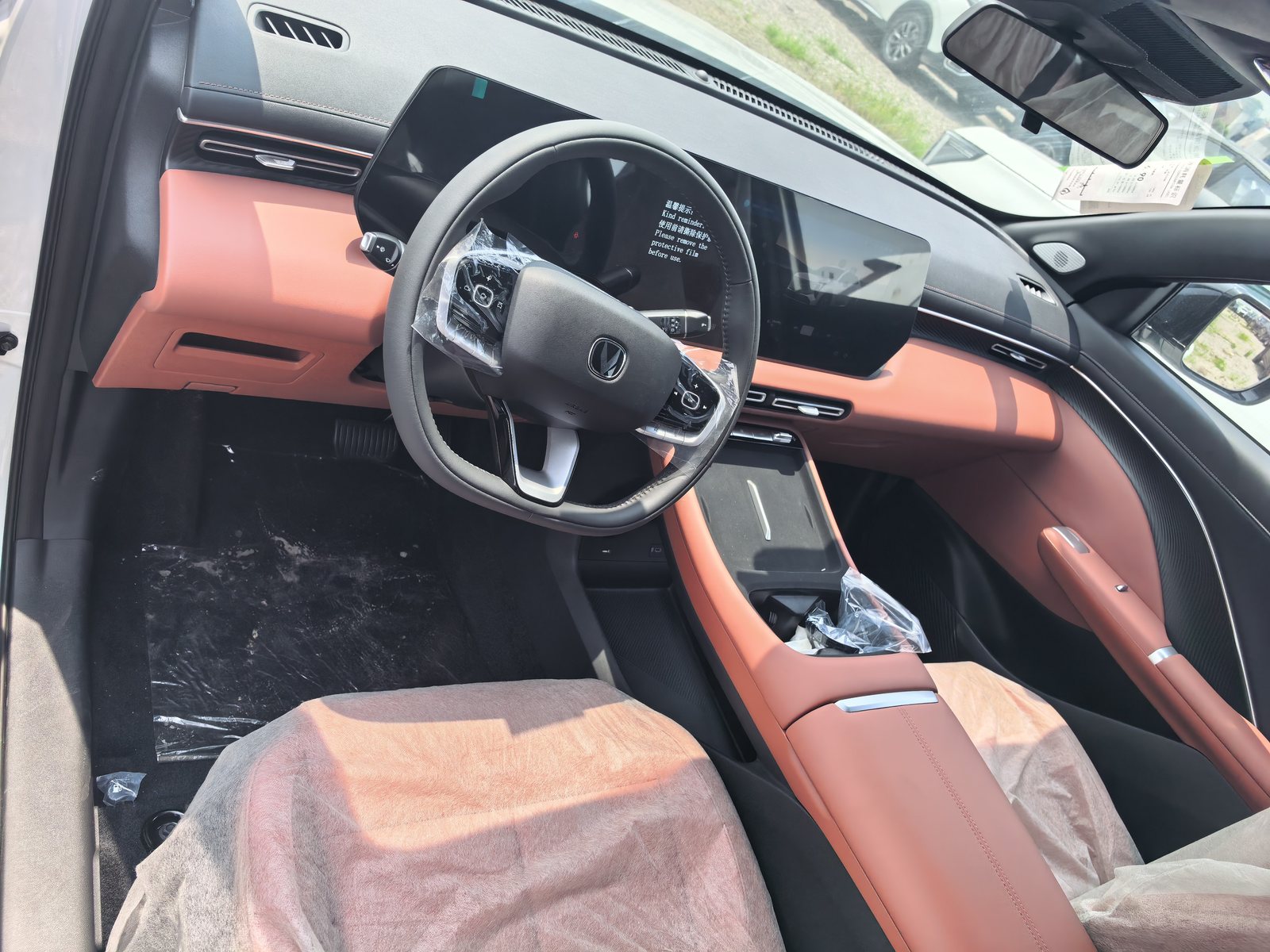
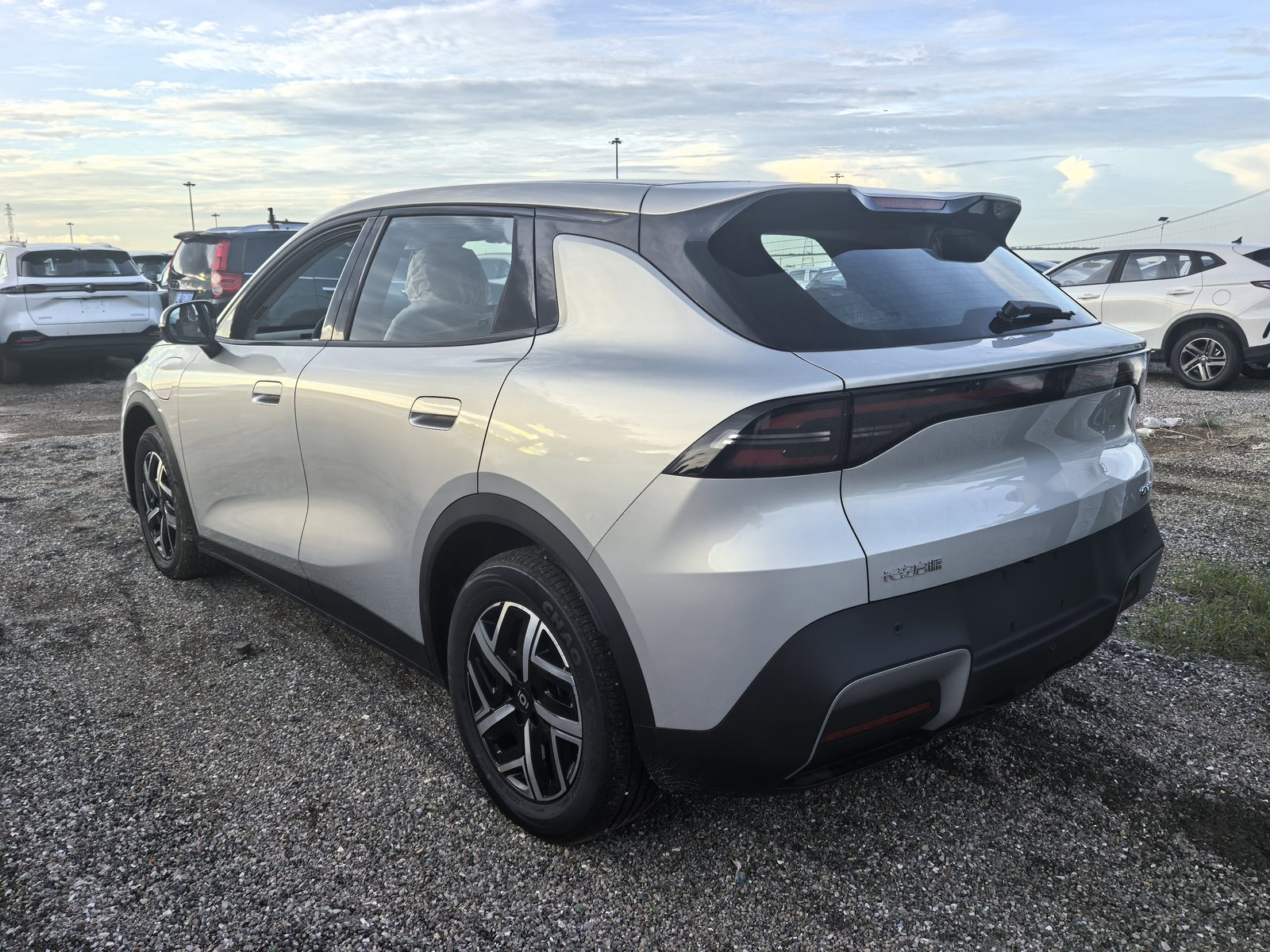
Dealer FAQ
Yes. Used vehicles have MOQ from 1 unit. New vehicles typically require 5 units per model.
Yes. Contact us with your destination port and vehicle selection. We provide detailed CIF quotations within 24 hours.
Yes. All used vehicles include a 200-point inspection report. Third-party SGS or BV audit is available on request.
Ready to Start Importing?
Talk to our dealer sales team. We respond within 2 hours.